Serums carry a high concentration of active ingredients, which is why they can soften fine lines and why they can also set off redness, stinging, and flaking in reactive skin. Sensitive skin does not have to sit out anti-aging care entirely. It simply narrows the field to formulas that respect the barrier while still doing real work on texture, tone, and lines.
What follows is a practical filter you can apply to any bottle: which ingredients earn their place, which ones tend to cause trouble, how to introduce a new serum without a reaction, and which serums dermatologists, editors, and reviewers have singled out for sensitive and aging skin.
What Makes a Serum Gentle Enough for Reactive Skin
The clearest guidance on this topic is that the best anti-aging serum for sensitive skin is usually a fragrance-free, essential-oil-free formula that addresses fine lines, texture, and tone without provoking irritation. Fragrance and essential oils are two of the most common reasons a well-made serum still burns. Everything else comes down to which actives are inside and how they are delivered.
Concentration matters as much as the ingredient list. A gentle active at a sensible percentage will outperform a harsh one every time for skin that flares easily. Packaging and freshness matter too, since antioxidants and retinol degrade with light and air exposure.
Why fragrance and essential oils get skipped
Fragrance is added for the experience of using a product, not for the result. For reactive skin, that trade is usually a bad one. The same logic applies to botanical essential oils, which can smell lovely and still leave a sensitized face red and warm.
Wirecutter's coverage of skin care for aging skin points to SkinMedica's fragrance-free serum as one that may be better tolerated by people with aging or sensitive skin. That is the pattern to look for: the anti-aging benefits come from the active ingredients, and nothing in the bottle exists purely to make the product smell appealing.
Ingredients worth shortlisting
Hydrating anti-aging serums for sensitive skin built around peptides, hyaluronic acid, and niacinamide are a recurring recommendation for addressing fine lines. Cetaphil Healthy Renew is one example that combines those three ingredient families. Each works differently, and none of them requires the skin to peel or purge to do its job.
DNA repair enzymes are another route. Photozyme positions its formulas around DNA repair enzymes and describes delivering results without irritation. Gradual-release retinol is a third option for people who want retinoid benefits but cannot tolerate a fast-acting, full-strength formula.
Ingredient Roles at a Glance
| Ingredient | What it does | Why sensitive skin tolerates it |
|---|---|---|
| Peptides | Support the look of firmness and smoothness | No exfoliation or peeling required |
| Hyaluronic acid | Draws and holds water in the upper layers | Hydration rather than resurfacing |
| Niacinamide | Addresses tone, texture, and fine lines | Works alongside barrier support |
| DNA repair enzymes | Targets visible signs of environmental stress | Positioned as gentle, non-irritating care |
| Gradual-release retinol | Renews the surface and softens lines | Releases more slowly than pure retinol |
Serums Singled Out for Sensitive and Aging Skin
Roundups from dermatologists and beauty editors name a handful of products repeatedly. The table below reflects what those sources say. It is not a guarantee that your skin will love any of them, and patch testing still applies.
| Serum | Source and positioning |
|---|---|
| Estée Lauder Advanced Night Repair | Named top pick in a tested and reviewed roundup of anti-aging serums |
| Dieux Skin Deliverance Soothing Trinity Serum | Named best for sensitive skin in the same roundup, with a dosage noted as 1 to 2 drops |
| Symbiome The Answer | Named best for sensitive skin in Vogue's dermatologist guide, for mature, dry, and sensitive skin, in a 30 ml size |
| SkinMedica fragrance-free serum | Highlighted as possibly better tolerated by aging or sensitive skin |
| La Roche-Posay Retinol B3 Anti-Ageing Serum | Pairs pure retinol with gradual-release retinol to renew sensitive complexions |
| Cetaphil Healthy Renew | Hydrating formula with peptides, hyaluronic acid, and niacinamide |
| Photozyme | Built around DNA repair enzymes, described as delivering results without irritation |
Retinol deserves its own note, because it is the ingredient most likely to be recommended and most likely to cause a reaction. Estée Lauder's Perfectionist Pro Rapid Brightening Serum is one retinol-based option cited for reducing the look of wrinkles. La Roche-Posay's Retinol B3 pairs pure retinol with a gradual-release form, a way of bringing retinoid benefits to sensitive complexions with less of a shock to the barrier.
If retinol has burned you before, the format matters more than the label. Buffered, encapsulated, and gradual-release delivery systems exist for a reason, and they are often the difference between an active you can live with and one that sits unused on the shelf.
Why Aging Skin Often Becomes More Sensitive
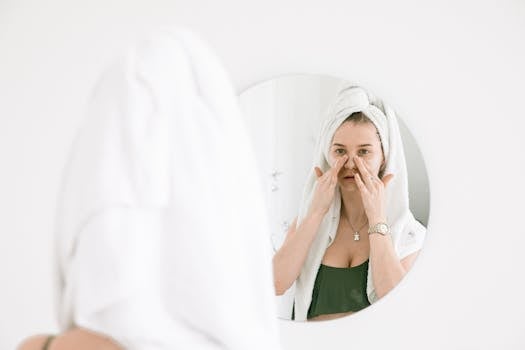
Lower oil production, a thinner surface, and years of cumulative sun exposure all make the barrier less resilient. That combination is why a serum that felt fine in your twenties can sting in your forties. Hydrating anti-aging serums for sensitive skin with peptides, hyaluronic acid, and niacinamide are formulated for exactly this overlap: they work on fine lines while topping up moisture instead of stripping it away.
Hormonal shifts add another variable, and they are common in the 30 to 65 age range. Sensitivity is not a fixed trait. It moves in and out depending on season, stress, medication, and how many actives you are stacking at once.
Hydrating Versus Renewing: Which Comes First
If your skin is dry and reactive, start on the hydrating side of the shelf. Peptides, hyaluronic acid, and niacinamide deliver visible improvement in plumpness and tone without any adjustment period. Once your skin is calm and consistently comfortable, introduce a renewing active such as gradual-release retinol one night at a time.
Two hydrating serums layered together rarely cause problems. Two renewing actives used on the same night often do. Keep the renewing step to a single product and give it breathing room in the week.
How to Introduce a New Anti-Aging Serum
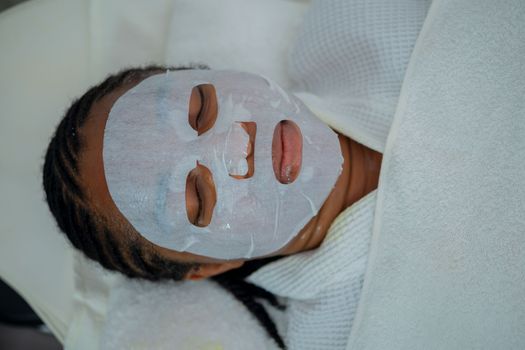
Most reactions to a new serum come from speed rather than from the formula itself. A staged introduction gives your skin a chance to adapt and gives you a clear answer if something goes wrong.
- Patch test first. Apply a small amount behind the ear or along the jawline and wait a day before using it on your full face.
- Change one product at a time. If you introduce three new things at once, you will not know which one caused the redness.
- Begin at a reduced frequency. Every other night, or two to three times a week, is a reasonable starting rhythm for an active serum.
- Use the amount the product directions call for. Byrdie's review notes a dosage of 1 to 2 drops for the Dieux serum, which is a typical range for a concentrated formula.
- Buffer if you need to. Applying moisturizer before or after a serum can soften the experience without canceling the benefits.
- Keep a simple log. Notes on frequency and how your skin looked the next morning are more useful than memory.
Building the Rest of the Routine Around One Serum
A serum is one step, not the whole routine. A gentle cleanser, a moisturizer suited to your skin type, and daily sun protection do more for the long-term look of your skin than any single active. If your barrier is compromised, a serum applied on top of it will often sting no matter how carefully it was formulated.
This is also why sequence matters. Cleansing, then serum, then moisturizer, is the order most formulas are designed to sit in. Adding an eye treatment or a mist changes little, but skipping moisturizer on a reactive face is a common mistake.
Signs You Should Stop and Reassess
Mild tingling that fades within a minute is not the same as burning that builds. Persistent redness, swelling, flaking, or stinging that continues after you stop using a product are signals to back off and let your skin settle. If the reaction does not resolve, that is a conversation for a physician or a licensed skin professional rather than something to push through with a lighter hand.

Where Professional Guidance Helps
Reading ingredient lists gets you a long way. A trained eye gets you further when your skin is reacting unpredictably or when you are trying to combine several actives. Meta Skincare, founded in Palm Springs in 2017 by Juliet Tierney, offers in-person treatments at its associated rooms in Palm Springs and Borrego Springs, California, and in West Hampstead, London, alongside its own line of cleansers, serums, and moisturizers.
For anyone assembling a routine around sensitive skin, a professional can help you sequence products, time actives around your skin's tolerance, and decide whether a hydrating serum or a renewing one should lead. That kind of guidance tends to cost less than a shelf of abandoned bottles.
Frequently Asked Questions
What should I look for in an anti-aging serum for sensitive skin?
Look for a fragrance-free, essential-oil-free formula that targets fine lines, texture, and tone without irritating the barrier. Ingredient lists built around peptides, hyaluronic acid, and niacinamide are a sensible starting point, while DNA repair enzymes or gradual-release retinol are options if you want something more active. Read the full ingredient list rather than the front of the bottle.
Is retinol safe for sensitive skin?
It can be, depending on the format. La Roche-Posay's Retinol B3 Anti-Ageing Serum combines pure retinol with gradual-release retinol to visibly renew sensitive complexions, and gradual-release delivery is generally considered more tolerable than a fast-acting formula. Start at a low frequency, buffer with moisturizer if needed, and stop if stinging or peeling persists.
Which serums have been named best for sensitive skin?
Vogue's dermatologist guide named Symbiome The Answer as best for sensitive skin, positioned for mature, dry, and sensitive skin in a 30 ml size. A tested and reviewed roundup named Dieux Skin Deliverance Soothing Trinity Serum as its sensitive skin pick and Estée Lauder Advanced Night Repair as its overall top choice. Wirecutter highlighted SkinMedica's fragrance-free serum as possibly better tolerated by aging or sensitive skin.
How much serum should I apply?
Concentrated formulas do not need much. Byrdie's review notes a dosage of 1 to 2 drops for the Dieux Skin Deliverance serum, which is a useful reference point for a face-sized application. Follow the directions on your own product's packaging, and remember that adding more does not speed up results, it only raises the chance of irritation.
0 comments