Autumn has a way of slowing everything down. The light softens, the air cools, and the long, sun-soaked weeks of summer give way to something quieter. For your skin, that shift is an invitation. After months of heat, travel, salt water, and late evenings, the fall is a natural window to repair what summer asked of your face and to rebuild a routine that can carry you through winter.
There is a word that fits this season well: longevity. Not as a buzzword on a supplement label, but in its real sense, a long and healthy stretch of living. Your skin is part of that story. It is the most visible surface of your overall health, and the habits that support a long health span tend to show up on your face too. This is a warm, practical look at autumn skin repair, and why thinking in seasons instead of quick fixes is the more sustainable path.
What Longevity Actually Means
The word longevity describes a life that is particularly long compared to the average for a species or population. In plain dictionary terms, it means a long duration of individual life. That is different from life expectancy, which is a statistical average: the number of years remaining for people in a given population. It is also different from lifespan, which refers to the time between a single person's birth and death.
There is a fourth term that matters more for everyday decisions. Health span refers to the number of years a person lives in optimal health and is able to live independently. Ageing research tends to place its emphasis there, on healthy life years rather than on simply adding more of them.
Research into human longevity points to what scientists describe as a multifactorial resilience. That means it is not one magic habit. It involves protective genetics, efficient metabolism, low inflammation, and favorable lifestyle conditions working together. Harvard Health frames the same idea simply: diet, exercise, and lifestyle choices are the levers that promote healthy aging and contribute to a longer, healthier life.
Term |
What it describes |
|---|---|
Life expectancy |
The average number of years people in a given population can expect to live |
Lifespan |
The time between an individual's birth and death |
Longevity |
An unusually long life compared with the average |
Health span |
The years lived in optimal health and with independence |
Once you separate those four ideas, the useful one for skincare becomes obvious. You are not chasing a number. You are protecting the quality of the years you have, and the condition of your skin is one of the ways you feel that quality every day.
Why Autumn Is Repair Season
Summer is generous and a little careless. More time outdoors, more travel, more late nights, more sunscreen reapplied in a hurry. By September, many people notice their skin feels drier, looks duller, or reacts more easily than it did in spring. None of that is a failure. It is simply the residue of a season lived fully.
Autumn offers the conditions that repair work needs. You are indoors more, which makes a consistent routine easier to keep. You are less likely to be caught without sun protection in the middle of a hot afternoon. You are also more likely to sleep on a regular schedule, and sleep is one of the lifestyle pillars that longevity researchers keep returning to.
The mistake many people make in fall is treating it as a season of correction, piling on strong products to undo summer in a week. Skin does not work that way. Repair is incremental, and the gentler path almost always produces better results by the time winter arrives.
Your Skin Is Part of Your Health Span
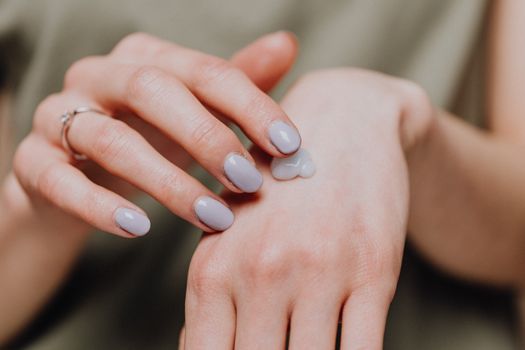
The longevity research mentioned above highlights low inflammation as one component of resilience. That idea translates neatly to skincare. A routine that constantly irritates the skin, with harsh scrubs, over-exfoliation, or a rotating cast of strong actives, keeps the barrier in a state of low-grade stress. A routine that supports the barrier leaves skin calmer, more comfortable, and better able to handle the seasons.
This is not a claim that a moisturizer extends your life. It is an observation about consistency. The same patience that serves long-term health, showing up daily, choosing moderate over extreme, adjusting as conditions change, is exactly what skin responds to over months and years rather than days.
A Simple Autumn Repair Routine
Rebuilding after summer does not require a shelf full of new products. It requires a short sequence you can repeat, with a few adjustments for cooler, drier air.
Step Back Before You Add
Before introducing anything new, spend a week or two on the basics. Cleanse, moisturize, protect. If your skin has been reactive, this pause often resolves more than a new serum would. It also gives you a clean starting point, so you can tell what is actually helping.
Cleanse Without Stripping
Hot showers and foaming cleansers feel satisfying in cold weather, but they can leave skin tight and uncomfortable. A cream-based cleanser in the morning and evening suits most people in autumn, especially those with dry or sensitive skin. Meta Skincare's Prickly Pear Cleansing Creme and Pumpkin Smoothing Wash are both built around this gentler approach, one for daily comfort and one for a light smoothing reset.
Use Actives in Modest Doses
If your skin tolerated a vigorous active routine in summer, autumn is a good time to dial it back rather than push harder. Concentrated serums work best when the barrier underneath them is intact. Niacinamide, peptides, and similar supportive ingredients can do their work without provoking the stinging and flaking that send people back to square one. Introduce one change at a time and give it a few weeks before deciding.
Make Moisture the Foundation
As humidity drops, so does the amount of water your skin holds onto. A richer moisturizer at night is the single most reliable autumn upgrade. If your skin leans oily or acne-prone, look for a formula described as soothing rather than heavy. If it leans dry, a deeply hydrating moisturizer layered over a serum gives you both water and seal. Meta Skincare's range is organized around roughly these two directions, a clear skin and acne group and an anti-aging and dry group, so you can choose by what your skin is doing now rather than what it did in July.
Keep Sunscreen in the Rotation
Autumn light feels weaker, but the habit is worth keeping all year. Daily sunscreen is one of the few skincare steps with broad agreement behind it, and a routine that continues through fall is easier to maintain than one you restart every spring. A mist or a lightweight lotion makes it less of a chore on grey mornings.
Bring In Professional Help When It Helps
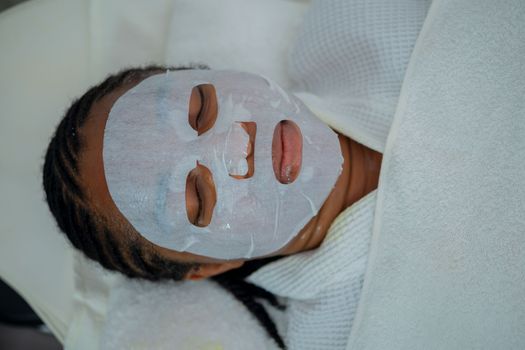
Sometimes the most efficient repair happens in someone else's hands. Meta Skincare was founded in 2017 in Palm Springs by Juliet Tierney, and the brand runs treatment rooms in Palm Springs and Borrego Springs, California, plus West Hampstead in London. A seasonal facial or a course of professional treatments can reset skin that has stalled, and a trained eye can tell you which products in your routine are pulling their weight.

Habits That Echo Longevity Research
The lifestyle levers that show up in healthy aging research are unglamorous and familiar: how you eat, how much you move, how well you sleep, how you manage stress, and whether you keep habits you can sustain. Skin tends to reflect the same inputs. People who sleep poorly, eat erratically, and live in a state of constant urgency usually see it in their complexion before anywhere else.
None of this requires an extreme overhaul in October. A little more movement, a slightly earlier bedtime, a vegetable you actually enjoy, and a skincare routine short enough to finish on a tired night will do more over a season than a cabinet of products used enthusiastically for two weeks and then abandoned.
Consistency Beats Intensity
Longevity, in its strict sense, is about duration. That is a useful reframe for skincare, where the temptation is always toward intensity. The strongest serum, the fastest peel, the most dramatic before and after. Those things have their place, but they are not what builds skin that looks steady across years.
Autumn rewards the quiet approach. Repair what summer took. Simplify rather than add. Choose the moisturizer your skin actually needs right now, protect it daily, and give the whole thing enough time to work. By the time the cold sets in, you will have skin that feels comfortable rather than reactive, and a routine you can carry forward without starting over.
Frequently Asked Questions
What does longevity mean in simple terms?
Longevity describes a life that is unusually long compared with the average for a population. It is different from life expectancy, which is a statistical average of years remaining, and from lifespan, which is the time between one person's birth and death. In everyday use, longevity usually implies not just more years, but years lived in reasonable health.
What is the difference between lifespan and health span?
Lifespan is how long a person lives, the span between birth and death. Health span is the number of years someone lives in optimal health and can live independently. Ageing research places most of its emphasis on health span, because adding years of poor health is not the goal that most people are actually pursuing.
Does a skincare routine really relate to longevity?
Not directly in the sense of extending life. The connection is through shared habits. Longevity research points to factors like low inflammation and a favorable lifestyle, and skin responds to the same daily inputs, including sleep, stress, and consistency. A calm, barrier-supporting routine fits into that broader pattern rather than replacing it.
Why is autumn a good time to repair skin?
Summer tends to bring more sun, travel, and disruption to routines, and many people notice dryness or dullness by early autumn. Cooler weather also means more time indoors and more predictable schedules, which makes a consistent routine easier to keep. It is a practical window for rebuilding rather than a magical one.
How long does autumn skin repair take?
There is no universal timeline, because skin varies with age, climate, and history. What matters is the direction of travel. Track how your skin feels over the season, whether it is comfortable, less reactive, and easier to keep moisturized, rather than expecting a fixed number of days. Steady, moderate routines usually show progress before dramatic ones do.
0 comments