Navigating the world of active skincare ingredients can feel overwhelming, especially when you're trying to build an effective routine for acne-prone or aging skin. Two powerhouse ingredients you've likely encountered are adapalene and glycolic acid, both celebrated for their ability to transform skin texture and clarity. While these ingredients work through different mechanisms, understanding how to incorporate them into your regimen can unlock remarkable results for your skin health journey.
Understanding Adapalene: The Retinoid Powerhouse
Adapalene belongs to the retinoid family and has become a go-to treatment for acne-prone skin since its introduction. According to MedlinePlus drug information, this third-generation retinoid works by affecting the growth of cells and decreasing inflammation.
What makes adapalene unique among retinoids?
- Less irritating than traditional tretinoin
- Photostable, meaning you can use it without immediate sun degradation
- Specifically designed to target acne formation
- Available over-the-counter in 0.1% formulations
The biochemistry of adapalene reveals how it binds to specific retinoic acid receptors, making it particularly effective at preventing comedone formation. This targeted approach means fewer breakouts and smoother skin texture over time.
How Adapalene Transforms Your Skin
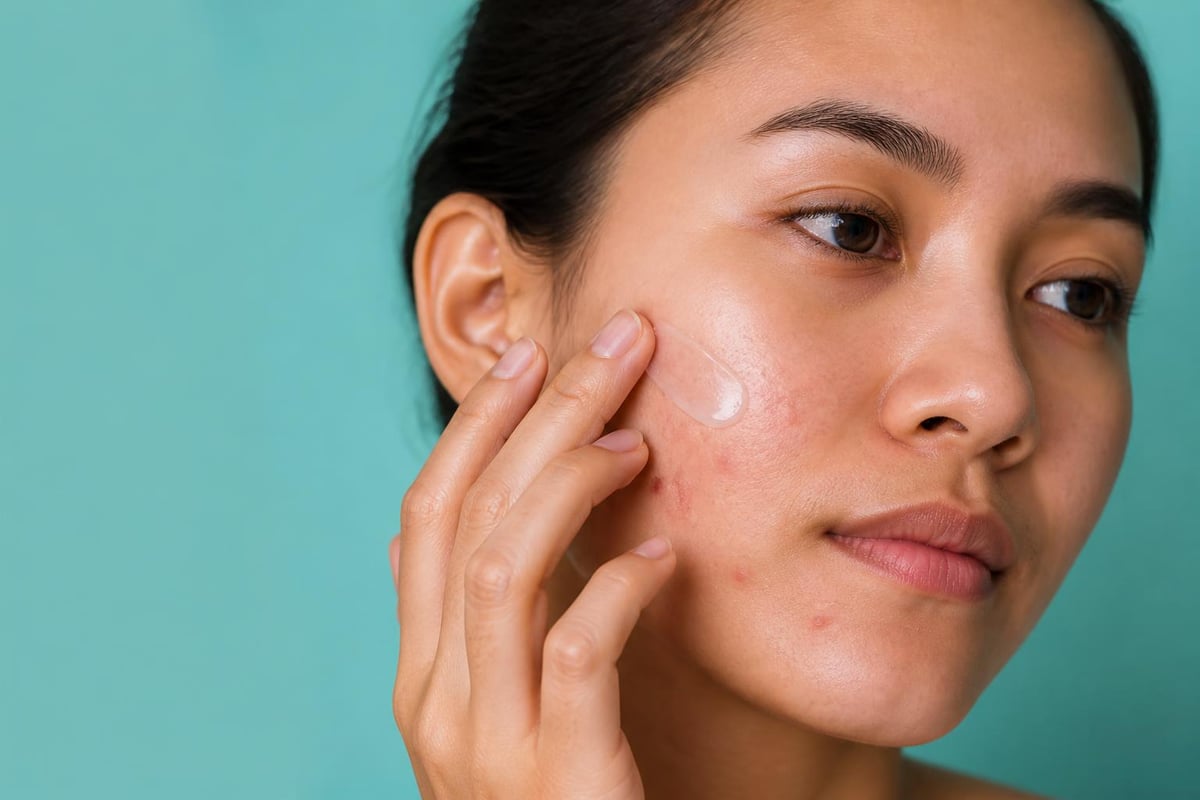
When you apply adapalene consistently, you're essentially reprogramming how your skin cells behave. It normalizes the shedding of dead skin cells, preventing them from clogging pores and creating those frustrating breakouts we all want to avoid.
Research published in studies on adapalene's efficacy demonstrates significant improvement in both inflammatory and non-inflammatory acne lesions. Patients typically see noticeable results within 8-12 weeks of consistent use, though some improvement may appear earlier.
Glycolic Acid: The Alpha Hydroxy Acid Essential
Glycolic acid stands as the smallest molecule in the alpha hydroxy acid (AHA) family, which gives it a unique advantage. Its tiny molecular size allows it to penetrate skin more effectively than other AHAs, making it incredibly efficient at exfoliation.
This water-soluble acid works primarily on the skin's surface, dissolving the bonds that hold dead skin cells together. The result? Brighter, smoother skin with improved texture and tone.
Benefits of Glycolic Acid in Your Routine
| Skin Concern | How Glycolic Acid Helps | Timeline for Results |
|---|---|---|
| Dull complexion | Removes dead surface cells | 2-4 weeks |
| Fine lines | Stimulates collagen production | 8-12 weeks |
| Hyperpigmentation | Fades dark spots | 6-10 weeks |
| Rough texture | Smooths skin surface | 3-6 weeks |
For those exploring anti-aging solutions, glycolic acid offers impressive benefits beyond simple exfoliation. It encourages cellular turnover and can help diminish the appearance of fine lines and wrinkles with consistent use.
Can You Use Adapalene and Glycolic Acid Together?
Here's where things get interesting. The combination of adapalene and glycolic acid requires careful consideration and strategic planning. While both ingredients promote cell turnover and exfoliation, using them simultaneously can potentially overwhelm your skin.
Strategic approaches for combining these actives:
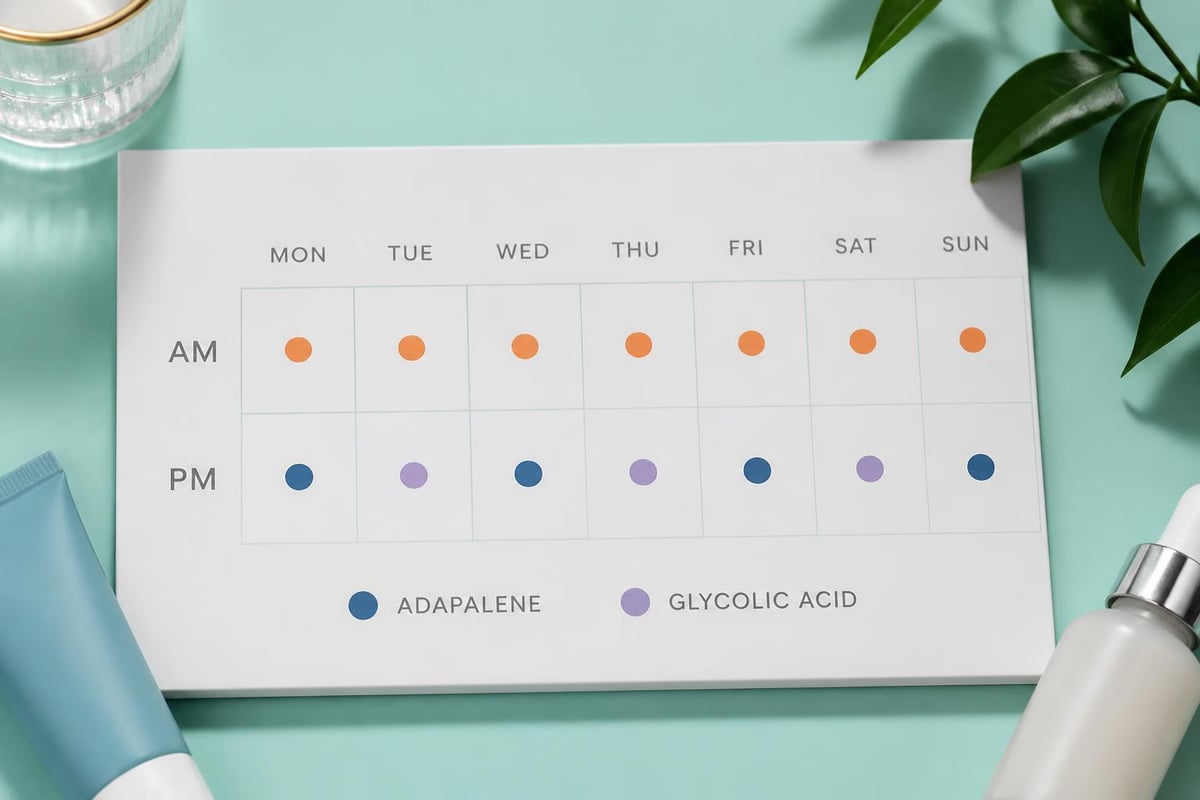
- Alternating nights method: Use adapalene on Monday, Wednesday, Friday, and glycolic acid on Tuesday, Thursday, Saturday
- Time-separated application: Apply glycolic acid in the morning and adapalene at night
- Gradual introduction: Start with one ingredient for 4-6 weeks before introducing the second
- Professional guidance: Consult with skin therapists about your specific skin needs
The pharmacology of adapalene shows it works deeper in the skin than glycolic acid, which primarily affects surface layers. This difference in action depth means they can theoretically complement each other when used appropriately.
Building Your Routine with Professional-Grade Products
When incorporating adapalene and glycolic acid into your skincare regimen, quality matters tremendously. Professional-grade formulations often include supporting ingredients that minimize irritation while maximizing results.
At Meta Skin Studio, we understand the importance of clean beauty solutions that work synergistically with active ingredients. Our skin therapist-developed products are designed to support your skin's health while you use powerful actives like retinoids and AHAs.
Supporting Your Skin Barrier
Essential products when using adapalene and glycolic acid:
- Gentle, non-foaming cleansers that won't strip your skin
- Hydrating serums with hyaluronic acid or ceramides
- Rich moisturizers to combat dryness
- Broad-spectrum SPF 30 or higher (non-negotiable!)
For those experiencing sensitivity, our Clear Age Soothing Moisturizer provides the hydration your skin craves while supporting barrier function during active treatment periods.
Managing Potential Side Effects
Both adapalene and glycolic acid can cause initial adjustment periods characterized by dryness, redness, or increased sensitivity. This "retinization" or "purging" phase is normal but shouldn't be severe.
Signs you need to adjust your routine:
- Persistent burning or stinging
- Extreme dryness that doesn't improve with moisturizer
- Increased breakouts lasting beyond 6 weeks
- Peeling that interferes with daily activities
According to comprehensive adapalene research, most side effects are mild and decrease with continued use as your skin adapts.
Sun Protection Is Mandatory
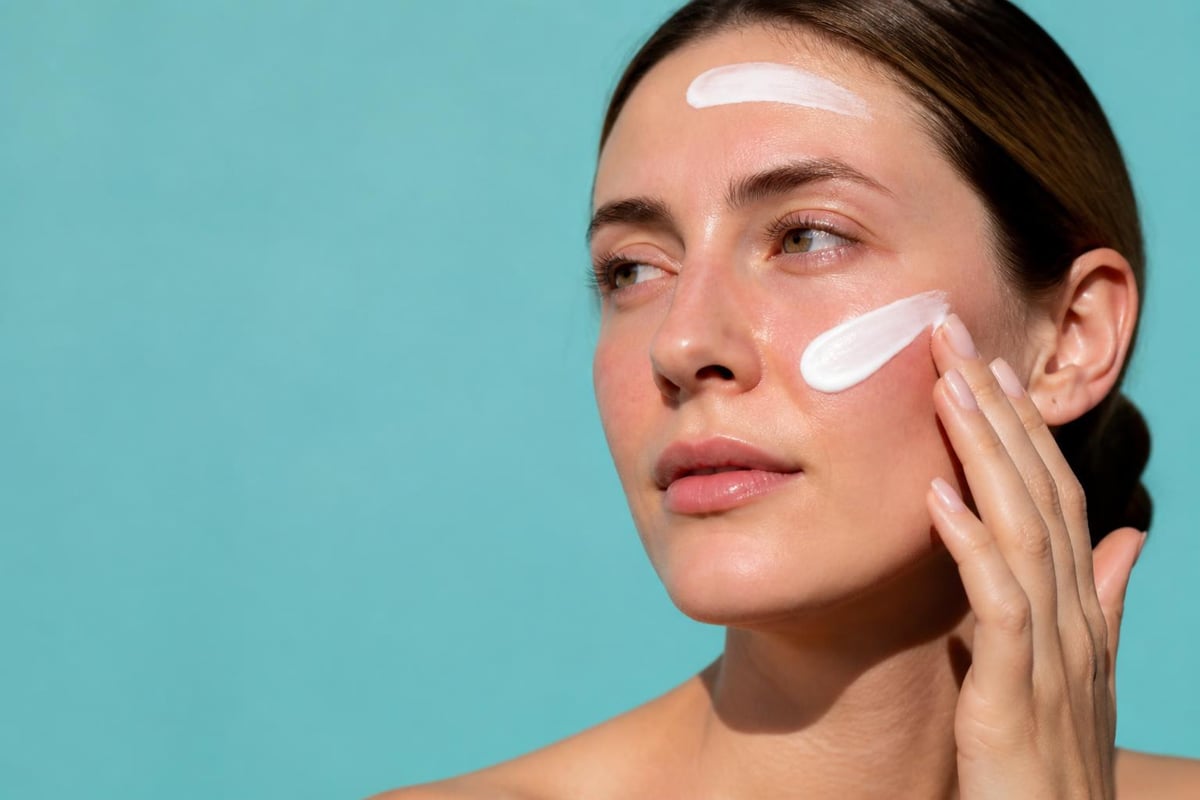
Both ingredients increase photosensitivity, making your skin more vulnerable to UV damage. This isn't optional advice but an absolute requirement for safe use. Apply broad-spectrum sunscreen every single morning, even on cloudy days.
Our Daily Replenishing SPF 30 offers the protection you need without heavy textures that might clog pores or interfere with your active ingredients.
Optimizing Results with Professional Support
While over-the-counter options provide accessibility, working with skincare professionals can accelerate your results and prevent common mistakes. Professional treatments can be customized to work alongside your at-home adapalene and glycolic acid routine.
Consider exploring professional facials that complement your active ingredient use. These treatments can be scheduled strategically to enhance your results without overwhelming your skin.
Tracking Your Progress
Keep a simple skincare journal noting:
- Which products you use and when
- Any reactions or sensitivities
- Photo documentation every two weeks
- Questions for your next professional consultation
This documentation helps you identify what's working and what needs adjustment in your routine.
Ingredient Synergies Worth Exploring
Beyond adapalene and glycolic acid, certain ingredients work beautifully alongside these actives. Niacinamide, for example, can help reduce irritation while providing its own skin-brightening benefits.
Antioxidants like vitamin C can be incorporated into morning routines to provide additional protection and brightening effects. Our Antiox C Serum delivers stable vitamin C that complements active treatments without causing sensitivity for most users.
Compatible ingredients to consider:
- Hyaluronic acid for hydration
- Niacinamide for barrier support
- Peptides for anti-aging benefits
- Centella asiatica for calming irritation
For comprehensive guidance on building effective routines, explore our complete skin care guide for additional expert tips.
Successfully incorporating adapalene and glycolic acid into your routine requires patience, strategy, and quality supporting products. These powerful ingredients can deliver remarkable improvements in skin clarity, texture, and overall radiance when used thoughtfully. Ready to elevate your skincare journey with professional-grade solutions? Discover how Meta Skin Studio can support your skin transformation with clean, effective products developed by skin therapists who understand exactly what your skin needs to thrive.
0 comments